Comprehensive professional education solutions for modern institutions, organizations, and workforce environments.
Institution-level recognition for learning delivery standards.
Structured qualification recognition for career programs.
Digital verification systems for learning records.
Learning solutions for organizational performance.
CPD Provider Recognition helps institutions position themselves within a structured professional education ecosystem focused on continuing education, professional training, and workforce learning.
This recognition is designed for organizations that want to demonstrate operational professionalism, structured learning delivery, and commitment to ongoing professional education standards.
Rather than focusing on individual course approval, CPD Provider Recognition focuses on the institution’s overall ability to deliver organized professional learning experiences across multiple industries and workforce sectors.

Educational institutions and training providers operate in an increasingly competitive professional learning environment. CPD Provider Recognition helps organizations strengthen visibility and establish greater confidence among learners, employers, and workforce partners.
Recognition may support institutions in:
Institutions recognized under CPD frameworks often benefit from stronger professional positioning within continuing education and workforce training markets.
Many organizations today operate across multiple training formats, learner groups, and workforce sectors. CPD Provider Recognition supports institutions building scalable and adaptable professional learning systems.
This may include:
The recognition framework supports institutions developing long-term professional learning infrastructure and workforce education systems.
CPD Provider Recognition encourages institutions to maintain operational structure and organized learning systems that support professional education quality and learner consistency.
Institutions are encouraged to maintain:
The framework supports institutions seeking operational consistency and long-term educational development.
CPD Provider Recognition may support organizations operating within:
CPD Qualification focuses on the recognition and professional positioning of individual courses, certification pathways, and structured workforce learning programs.
This service is designed for institutions that want to strengthen the professional value, transparency, and workforce relevance of specific learning programs offered to students, professionals, or employees.
Unlike institution-level recognition, CPD Qualification evaluates the learning program itself, including its structure, learning pathway, learner engagement process, and assessment framework.

Modern learners increasingly seek qualifications that support practical career development, workplace application, and professional progression.
CPD Qualification helps institutions present programs that are aligned with:
The framework supports institutions developing qualifications designed for real-world workforce application rather than purely theoretical learning.
CPD Qualification encourages institutions to maintain clearly structured learning systems that support learner understanding and educational transparency.
Programs may include:
This structured approach helps learners and employers better understand the purpose and professional relevance of the qualification.
Professional qualifications today are often evaluated not only by course content but also by transparency, verification capability, learner records, and workforce relevance.
CPD Qualification supports institutions seeking to strengthen:
Programs operating under qualification frameworks may provide stronger professional positioning within career-focused education markets.
CPD Qualification is suitable for institutions offering:
Candidate Verification provides institutions with structured systems for validating learner records, professional certifications, and qualification authenticity through digital verification processes.
As online education, workforce certifications, and continuing professional learning continue to expand globally, verification systems play an important role in supporting transparency, professional trust, and secure learner authentication.
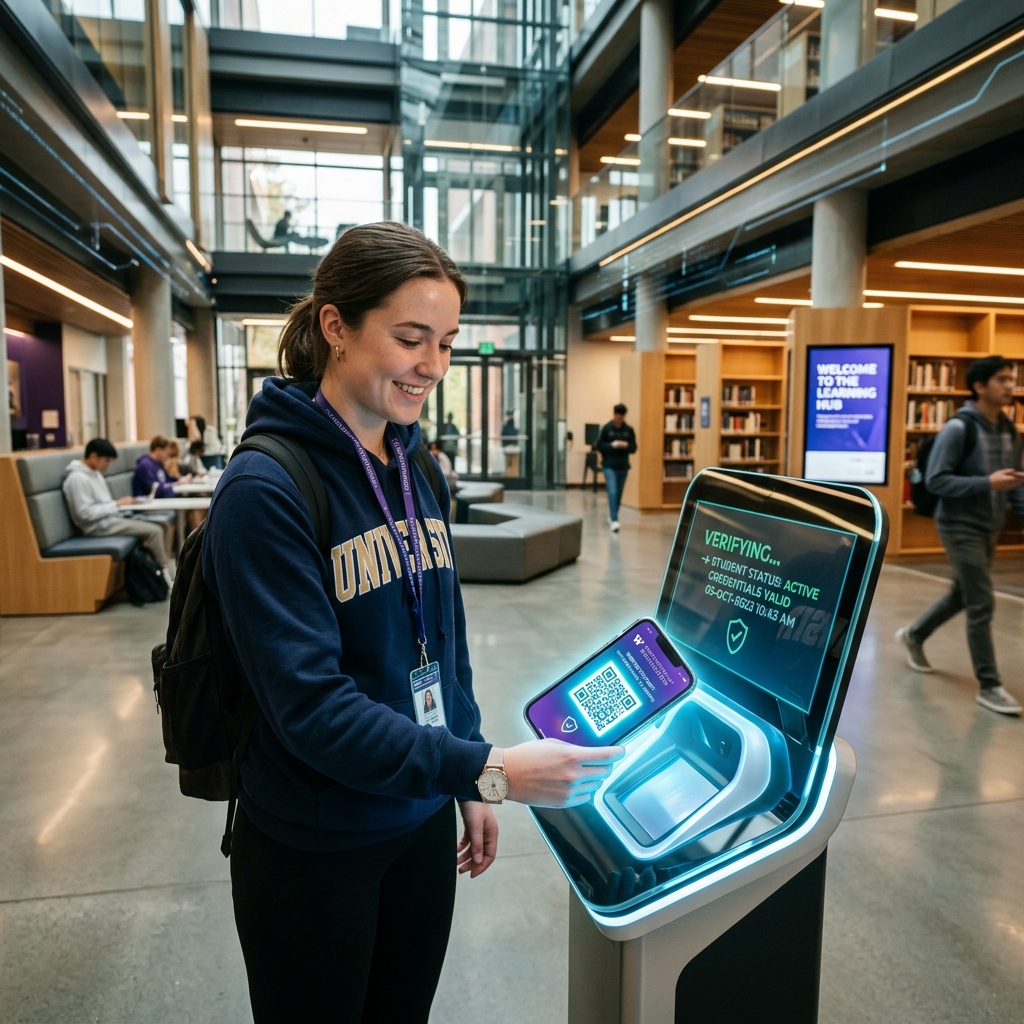
Verification systems help institutions protect the integrity and professional value of issued qualifications.
Digital verification services may support:
These systems help reduce risks associated with unauthorized or fraudulent use of professional certificates.
Employers increasingly require reliable systems for validating workforce qualifications and continuing education records.
Candidate Verification helps organizations:
Verification systems contribute to stronger professional trust between institutions, learners, employers, and workforce organizations.
Digital verification systems may support:
This provides a modern and accessible approach to professional credential validation within workforce learning environments.
Candidate Verification also helps institutions demonstrate commitment to transparency, record integrity, and responsible certification practices.
Institutions using verification systems may strengthen:
Workforce Development services focus on helping organizations strengthen internal learning systems, improve employee capability, and support long-term workforce performance through structured professional development strategies.
Modern organizations face increasing pressure to adapt to technological change, workforce transformation, leadership challenges, and evolving industry expectations. Workforce Development supports organizations in building learning-focused workplace environments that encourage continuous improvement and professional growth.

Organizations increasingly recognize the importance of creating strong internal learning cultures where employees continuously improve technical skills, leadership capability, communication ability, and workplace performance.
Workforce Development helps organizations create systems that support:
Strong learning cultures often contribute to better employee engagement, retention, and operational consistency.
Workforce Development programs are often most effective when aligned with operational goals and organizational priorities.
Professional learning initiatives may support:
This alignment helps organizations connect employee development with long-term business growth and workforce sustainability.
As industries continue evolving, many organizations are prioritizing workforce upskilling and reskilling initiatives to prepare employees for changing professional environments.
Workforce Development may support:
This helps organizations remain competitive within rapidly changing workforce and technology landscapes.
Workforce Development services may support organizations operating within:
The goal of Workforce Development is to help organizations create stronger, more adaptable, and professionally capable workforce systems that support long-term organizational growth and workforce excellence.